
E-waste prices in South Africa.
What scrap electronics pay in 2026, how e-waste is graded, and how to get today's price for what you have.
Updated 10 November 2026 · by PGM Recycling, registered with the SADPMR
E-waste is paid by weight and by grade.
Scrap electronics are worth the gold, palladium, silver and copper that can be recovered from them. Each kind of material has its own grade and its own price per kilogram. The richer the part, the higher the grade.
Processors, memory and server or cellphone boards pay the most. Power supplies, low-grade boards and cables pay less. Prices move with the metal markets.
Send us a photo of what you have. We reply with today's price for each kind of material, collect free anywhere in South Africa, weigh it in front of you and pay on the spot. Nothing is deducted.
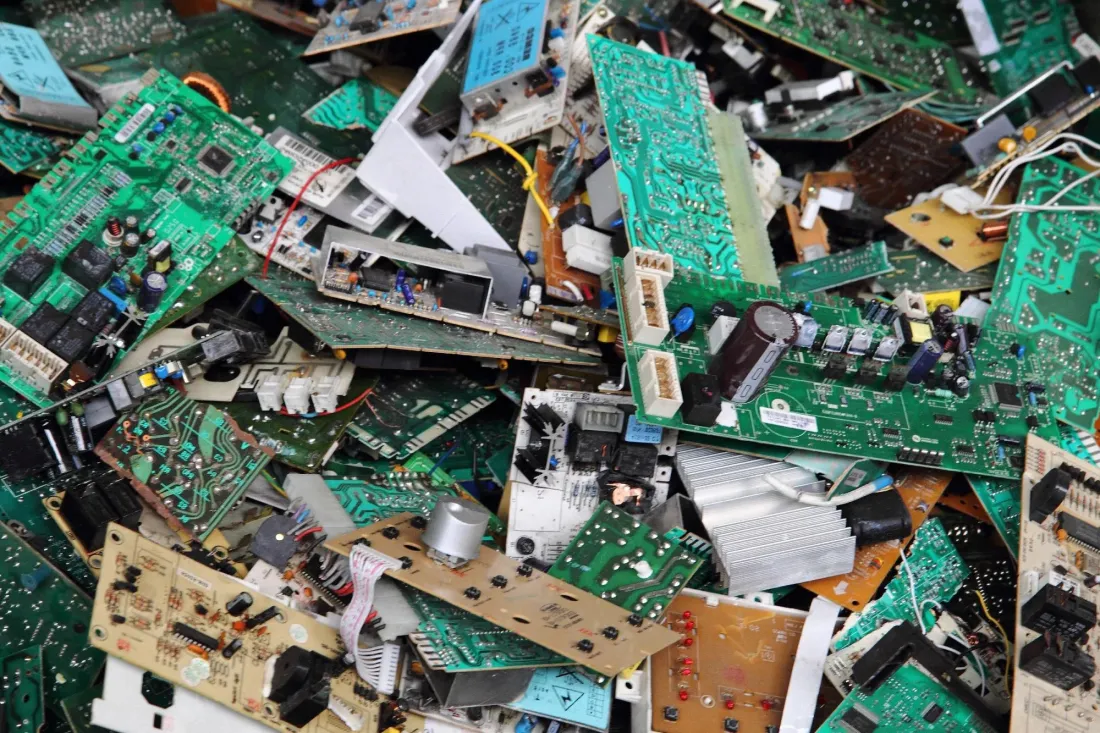
What pays more, and what pays less.
A general guide to how scrap electronics are graded. Ask us for today's price per kilogram.
Metal-rich parts
- Processors (CPUs), ceramic and plastic
- Memory (RAM) with gold or silver contacts
- Cellphone and tablet boards
- High-grade boards from servers and telecoms
Everyday computer scrap
- Desktop and laptop motherboards
- Hard drives and their boards
- Whole cellphones, smart and old
- Network and expansion cards
Heavy, low-grade material
- Power supplies and their boards
- TV, monitor and printer boards
- Cables and wiring, by copper content
- Whole towers, servers and office machines
Five things set what your e-waste pays.
1. The grade
Boards are graded by how much precious metal they carry. A server board is a higher grade than a power-supply board, so it pays more per kilogram.
2. The weight
Each grade is weighed on its own, in front of you. The total is the weight of each grade multiplied by that grade's price.
3. Sorted or mixed
Sorting is not required. A sorted load is paid grade by grade, which usually pays more than a mixed load priced as one.
4. Today's metal prices
Gold, palladium, silver and copper prices change daily, and so does the rand. E-waste prices follow them.
5. Who you sell to
A middleman keeps a cut before selling on. A direct buyer has no cut to take, and does not charge for collection.
And what is never deducted
With PGM Recycling there is no fee for collection, transport, weighing or testing. The price you are quoted is the price you are paid.
From photo to payment in three steps.
Send a photo
WhatsApp 084 306 6660 a photo of what you have and your location. A rough description is enough.
We quote today's prices
We reply with the price for each kind of material and agree a collection time that suits you.
Weighed in front of you, paid on the spot
One of our own agents comes to you, weighs each grade while you watch and pays you by cash or EFT with an invoice.
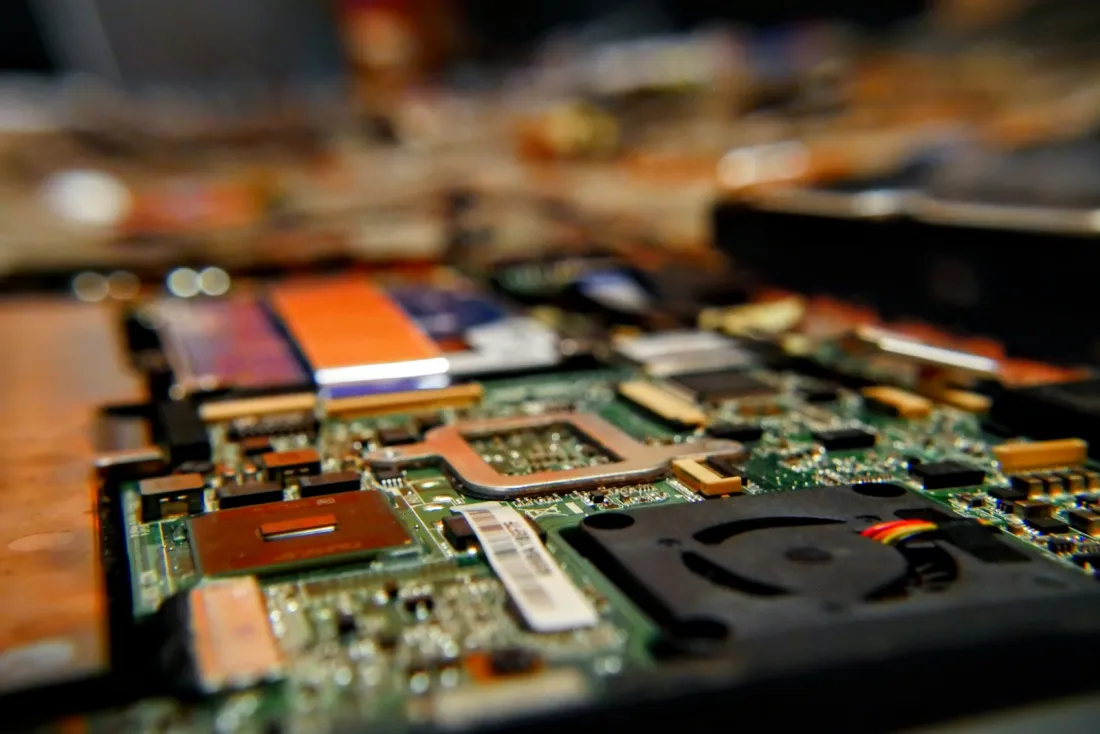
Four ways to get a better price.
- Pull the memory, processors and boards out of old machines if you can. They are paid at a higher grade on their own.
- Keep boards whole. Do not strip chips or connectors off them.
- Keep cables apart from boards so each is weighed at its own price.
- Sell direct, and never pay for collection.
E-waste prices: common questions
How much is e-waste worth in South Africa?
Which e-waste pays the most?
Who pays cash for e-waste in South Africa?
Should I strip computers before selling them?
Are old cellphones worth anything as scrap?
Is there a minimum amount of e-waste you buy?
Do companies get paid for old IT equipment?
E-waste recycling near you.
Get today's price for your e-waste.
Send a photo on WhatsApp. We reply with today's prices, collect free anywhere in South Africa, weigh it in front of you and pay on the spot with an invoice.